Home window replacement may be appropriate when drafts, fog between panes, sticking sashes, damaged frames, or recurring water concerns affect the same window or several windows. One isolated issue may be repairable, but overlapping symptoms can point to a larger assembly or installation problem that deserves a professional evaluation.
Key takeaway:
Key takeaway: One minor problem can usually be repaired. Multiple problems — especially failed glass seals, damaged frames, water intrusion, and repeated operating issues — make full replacement the more practical choice.
A closed window should not leave a room in your DuPage County home noticeably drafty, trap moisture between its panes, or require force to open and lock. Yet those symptoms do not always mean immediate replacement is necessary.
A window works as a complete system that includes the glass, sash, frame, hardware, seals, flashing, and original installation. This guide from DuPage Window Company explains common replacement warning signs, when repair may still be reasonable, what an inspection should cover, and how to compare local installers.
No single symptom automatically proves that a window must be replaced. Several recurring problems—especially when they affect the glass, frame, operation, and surrounding opening—often indicate a more extensive failure.
Drafts may come through the sash, around the frame, or near the interior trim. Worn weatherstripping can sometimes be replaced, while gaps caused by frame movement or poor installation may require a broader correction.
Caulk is not a universal repair, especially when air is entering from behind the frame rather than through a visible surface gap. Note whether the discomfort affects one window or several rooms. ENERGY STAR provides guidance on how to check for air leaks without relying on unsafe flame tests.
Fog or moisture trapped between panes usually means the insulated glass seal has failed. Moisture on the room-facing surface, however, often relates to indoor humidity and is a different problem.
An isolated glass unit may sometimes be replaced when the frame remains sound and compatible components are available. Repeated seal failures combined with frame deterioration can make full replacement more practical.
A sticking or binding sash may result from worn hardware, broken balances, swelling, warping, or a frame that is no longer square.
A window that will not lock correctly can also create a security or safety concern. Painted-shut and obstructed windows should not be accepted as normal operating conditions. Do not force a stuck sash or dismantle its hardware; have the cause evaluated first.
Soft wood, crumbling sections, splitting, persistent staining, peeling finishes, or visible deformation may indicate more than cosmetic wear.
Moisture sources should be identified rather than covered with paint or sealant. When deterioration affects the opening or surrounding materials, a full-frame window replacement may be more suitable than an insert installation.
Suspected structural damage or active water intrusion should be inspected by a qualified professional.
Water may appear on the sill, trim, drywall, or surrounding wall. Possible causes include failed exterior sealant, damaged flashing, drainage problems, deterioration, or an issue elsewhere in the wall assembly.
The place where water becomes visible may not be where the leak began. Proper window replacement and installation must account for how the new unit integrates with the opening, but replacing a window alone will not correct every possible leak source.
Air leakage, solar heat entering through the glass, and a failed insulated glass unit can make the area near a window feel noticeably different from the rest of the room.
Window orientation and shading also affect comfort, especially in rooms that receive strong afternoon sun. Insulation, ductwork, and HVAC balance should still be checked because windows may be one part of a larger room-comfort problem.
Gaps, worn seals, frame conditions, and certain glass configurations can allow more traffic, landscaping, and neighborhood noise into a room.
The glass, frame, installation, and surrounding wall all affect sound performance. Replacement windows can reduce some window-related noise, but they should not be described as soundproof unless the selected product has supporting test data.
Repeated caulking, hardware work, glass-seal problems, and recurring moisture can indicate that isolated repairs are treating symptoms instead of the underlying issue.
A complete assessment of the existing home window installation may be more useful when several repairs have failed to restore dependable operation, comfort, or weather protection. The review should examine the glass, frame, opening, and installation conditions together.
Replacement may also be considered when windows are difficult for older adults or people with limited mobility to operate, provide inadequate ventilation, require frequent maintenance, or no longer suit the home.
Some openings need custom-size and custom-shape windows. Homeowners may also compare vinyl window options when lower-maintenance materials are a priority.
Age alone should not determine the recommendation. Current condition and performance matter more than a generic lifespan.
A repair may be reasonable when the problem is limited to hardware, weatherstripping, a screen, or an isolated glass component and the surrounding frame remains sound. Replacement becomes more likely when the frame, opening, glass system, and installation have multiple or recurring failures.
| Condition | Repair May Be Reasonable | Replacement May Be More Appropriate |
|---|---|---|
| Loose or Worn Hardware | Hardware can be replaced and the sash remains sound | Failure is combined with warping or frame movement |
| Damaged Screen | The screen is the only problem | Glass, frame, or operating problems also exist |
| Weatherstripping Wear | The window operates correctly and the frame is intact | Leakage continues because the frame or opening has gaps |
| Fogged Glass | A compatible glass unit can be replaced | Seal failure occurs with deterioration or repeated problems |
| Water Staining | The source is a minor exterior maintenance issue | Active leakage, flashing damage, or deteriorated framing is present |
| Sticking Sash | Cleaning, adjustment, or hardware repair corrects it | The frame is warped, swollen, damaged, or out of square |
The correct recommendation depends on what failed, whether compatible repair parts are available, and whether the surrounding opening remains sound. The U.S. Department of Energy also provides general guidance on whether to repair or replace existing windows.
A professional assessment should identify the failed component, examine the surrounding opening, and determine whether a repair, insert replacement, or full-frame installation fits the conditions.
The inspection should cover:
Homeowners can understand window performance ratings through the National Fenestration Rating Council’s consumer resources.
“We’re more likely to recommend full replacement when several problems appear together—such as recurring drafts, fogged glass, difficult operation, and deterioration around the frame. One issue may be repairable, but when the glass, frame, and opening are all affected, another isolated repair may not solve the underlying problem.”
Home window replacement generally includes an opening assessment, product selection, installation-method decision, careful removal, opening preparation, and final performance checks.
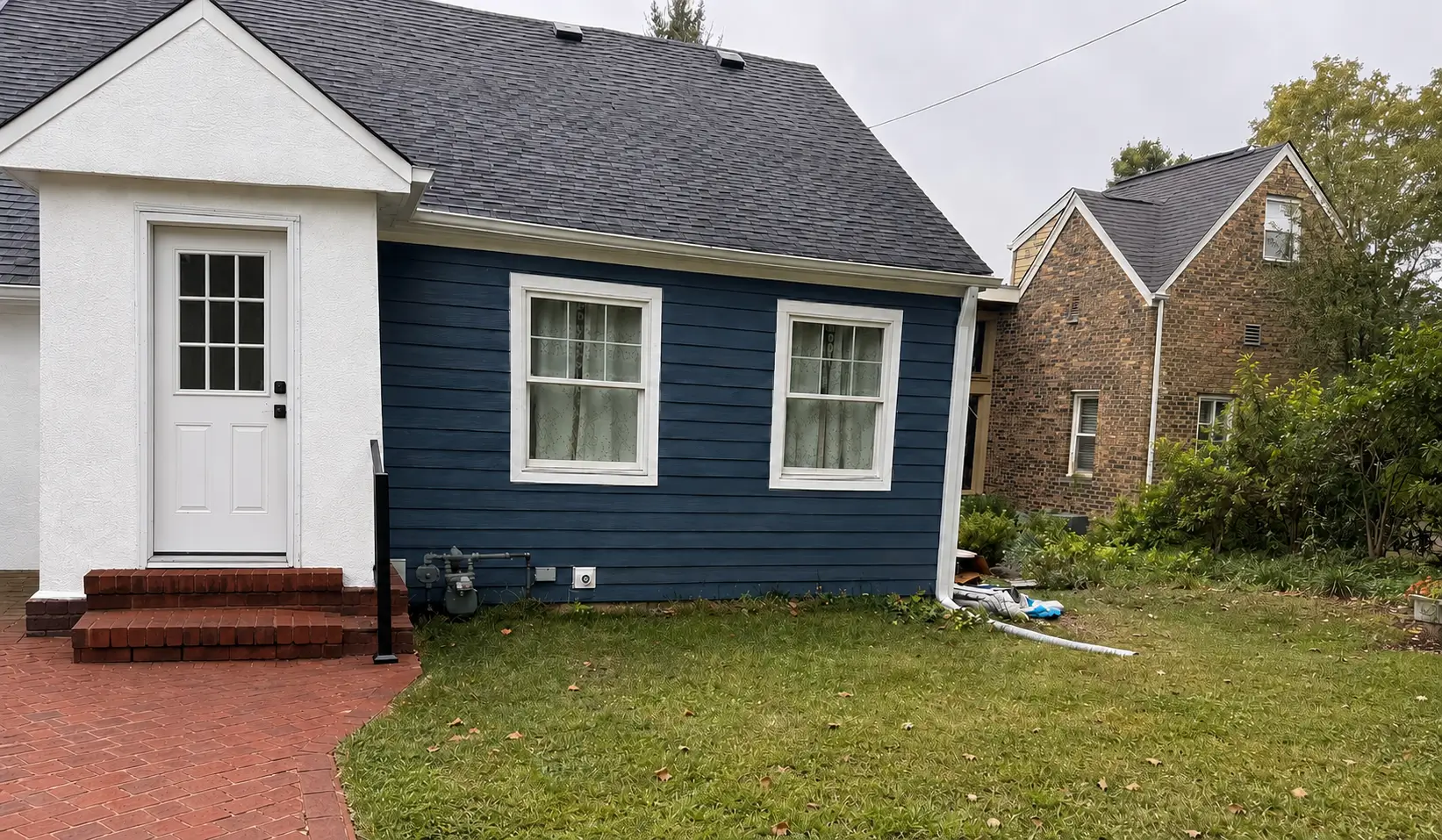
The installer measures each opening, reviews the frame and trim, discusses materials and operating styles, and considers glass and performance ratings. This stage also identifies custom sizing and visible conditions that may affect the scope.
An insert replacement places new window components within an existing frame that remains suitable.
A full-frame replacement removes the existing assembly so the opening and surrounding conditions can be addressed more completely.
Neither method is always better. The right approach depends on frame condition, project goals, and the selected system.
The crew protects the work area, removes the existing unit as required, prepares and seals the opening, and installs the new system according to its requirements.
Final checks should cover operation, locks, seals, finishing, debris removal, and cleanup. Learn more about full window replacement.
Reliable window installation companies should provide a clear inspection process, written scope, identifiable team, and realistic explanation of what the project can and cannot address.
A search for “window replacement near me” may produce many options. Homeowners comparing window replacement providers in Chicagoland can ask the following:
Look for a verifiable service area, clear contact information, named leadership or team members, real project photos, independent homeowner reviews, written warranty information, and a defined customer-service process.
Avoid unsupported savings promises and high-pressure recommendations. Meet our local window team, read homeowner reviews, or request a window assessment before deciding.
An inspection is useful when several warning signs appear together, water or frame deterioration is visible, or a window will not open, close, or lock correctly.
It can also help when comfort problems continue after basic HVAC and maintenance checks, exterior renovations are being planned, or custom products may require additional coordination.
There is no single required season for replacement. Timing depends on weather, site conditions, product availability, project scope, and the homeowner’s priorities.
These answers address common questions, but the appropriate recommendation still depends on an inspection of the window and surrounding opening.
Recurring drafts, failed glass seals, damaged frames, water intrusion, and unreliable operation are strong reasons to schedule an inspection. The inspector should determine which component failed, whether repair parts are available, and whether the surrounding frame and opening remain sound.
Sometimes. A failed insulated glass unit may be replaced separately when the frame remains sound and compatible components are available. The frame condition, product design, age of the components, and cause of the seal failure should be evaluated before recommending glass-only repair.
No. Whole-home replacement is not always necessary. Homeowners may prioritize windows based on water concerns, frame deterioration, operating problems, room comfort, or renovation goals. A room-by-room assessment can help identify which openings need attention first.
Properly selected and installed windows can correct air leakage caused by the window assembly or gaps around its installation. Drafts may also come from doors, walls, attic penetrations, electrical openings, or other parts of the building envelope, so the source should be confirmed.
Window work can often be completed during different seasons. Feasibility depends on weather, site conditions, manufacturer requirements, opening exposure, and the installer’s process for protecting the home while each existing unit is removed.
An insert replacement fits new window components inside an existing frame that remains suitable. Full-frame replacement removes the existing assembly so the opening can be reviewed and prepared more completely. Frame condition and project requirements help determine the appropriate method.
One window problem may be repairable — but recurring drafts, failed seals, damaged frames, water intrusion, and unreliable locks deserve a complete assessment.
DuPage Window Company provides full window replacement services across DuPage County, IL. Call (630) 534-1000 or request a free window assessment online to have the glass, frame, hardware, seals, and surrounding opening reviewed.
Reviewed by James Deleo, Project Manager at DuPage Window Company. James reviewed this article for accuracy regarding window condition, installation methods, product performance, and replacement considerations.