Home › Service Areas › Window Replacement in Naperville, IL
DuPage Window Company helps homeowners plan window replacement in Naperville, IL, around the needs of the home—not a predetermined brand or standard package. We discuss full replacement, vinyl, energy-efficient, and custom-size window options based on the existing openings, homeowner preferences, and project requirements.
Qualified installers complete the physical work according to the approved scope. DuPage Window Company coordinates the project and obtains permits when required.

No single window type is right for every opening or homeowner. DuPage Window Company reviews the existing windows, opening dimensions, preferred operation and appearance, energy-performance goals, warranty terms, and product availability before discussing suitable options.
Homeowners can compare full replacement, energy-efficient, vinyl, and custom-size windows without being pushed toward one manufacturer or fixed package.
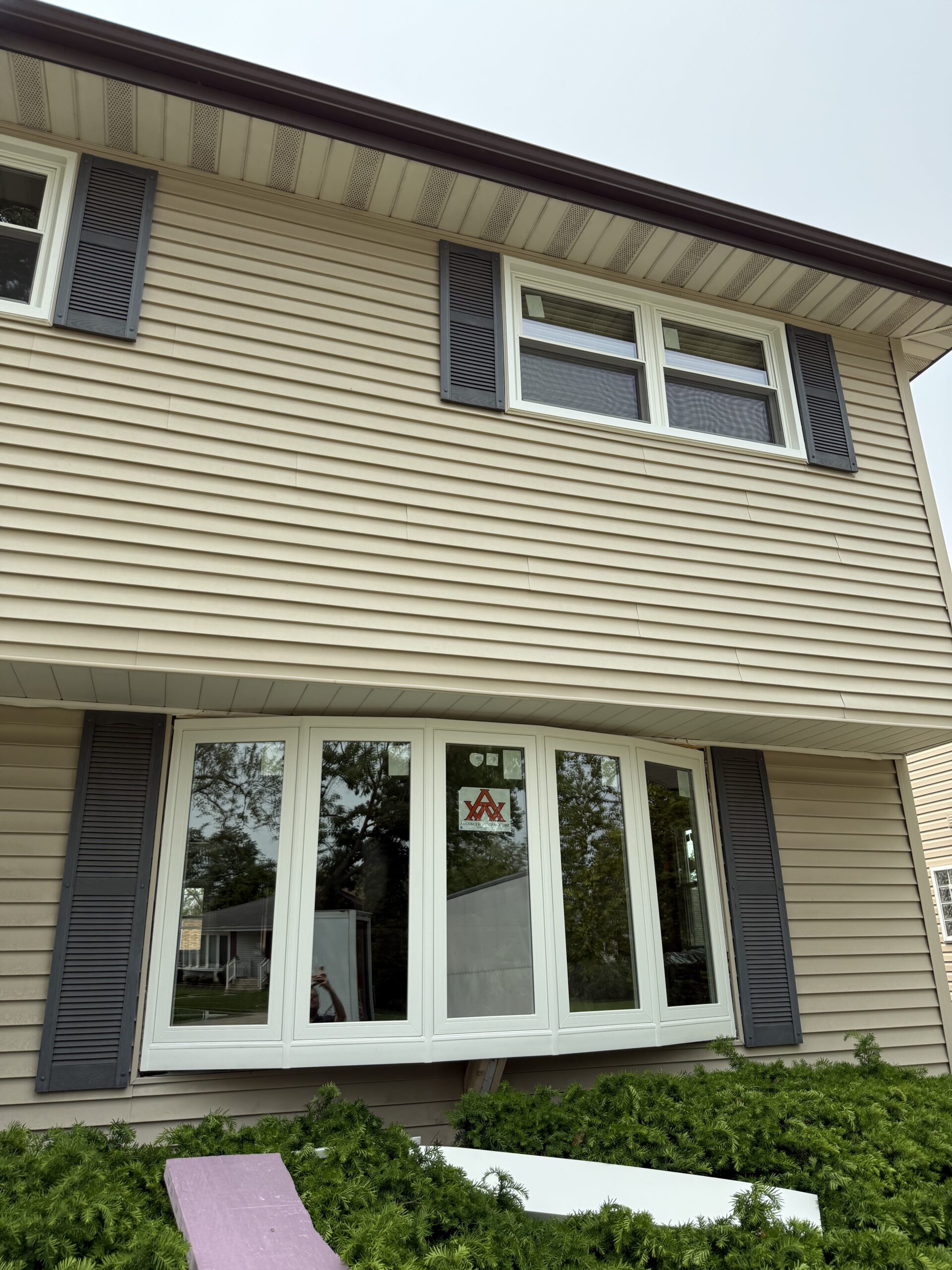
A full window replacement may be appropriate when the existing unit has extensive frame damage, repeated operating problems, persistent air or water entry, or components that no longer perform as intended. It may also be considered when several windows are being updated to create a more consistent appearance.
The scope depends on the condition of the existing opening. Work may include removing the old unit, preparing the opening, fitting and sealing the replacement window, and completing necessary interior or exterior finish work.
The written estimate should clearly identify what is included rather than relying on a general description of “replacement.”
Energy-efficient windows should be compared through measurable product features rather than broad promises about utility savings.
Relevant factors may include:
A lower U-factor generally indicates better resistance to heat transfer. Solar heat-gain coefficient measures how much solar heat passes through the window.
The appropriate balance depends on the window’s location, orientation, room use, selected product, and installation requirements.
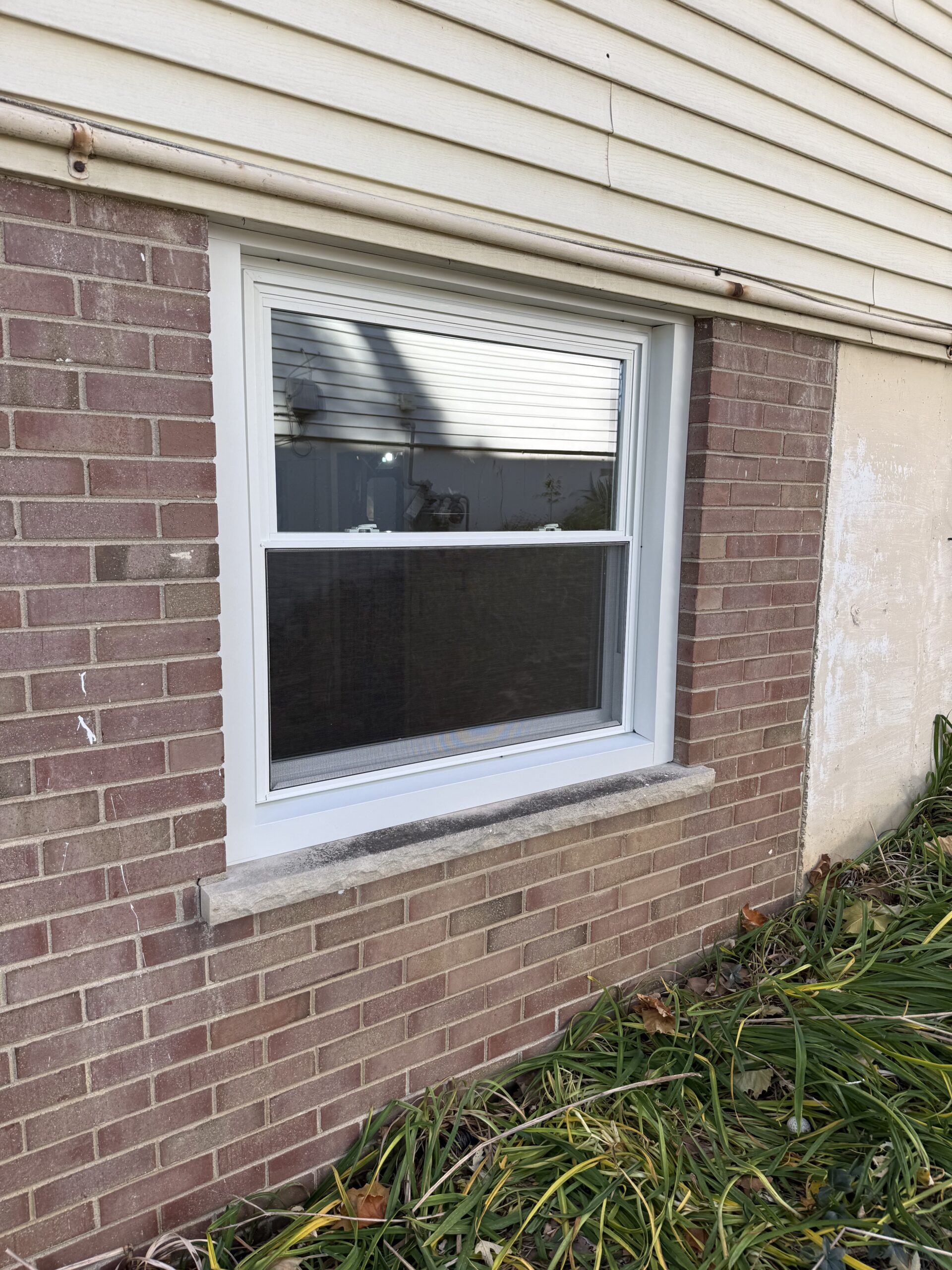
Vinyl replacement windows may suit homeowners looking for lower-maintenance frames, several style and color choices, and insulated product options. Vinyl does not require the same painting or staining routine associated with some other materials.
Quality still varies between products. Frame construction, reinforcement, weather seals, hardware, glass, finish, warranty terms, and installation requirements should all be compared.
The material name alone does not explain how well the complete window is built or how it may perform in the opening.
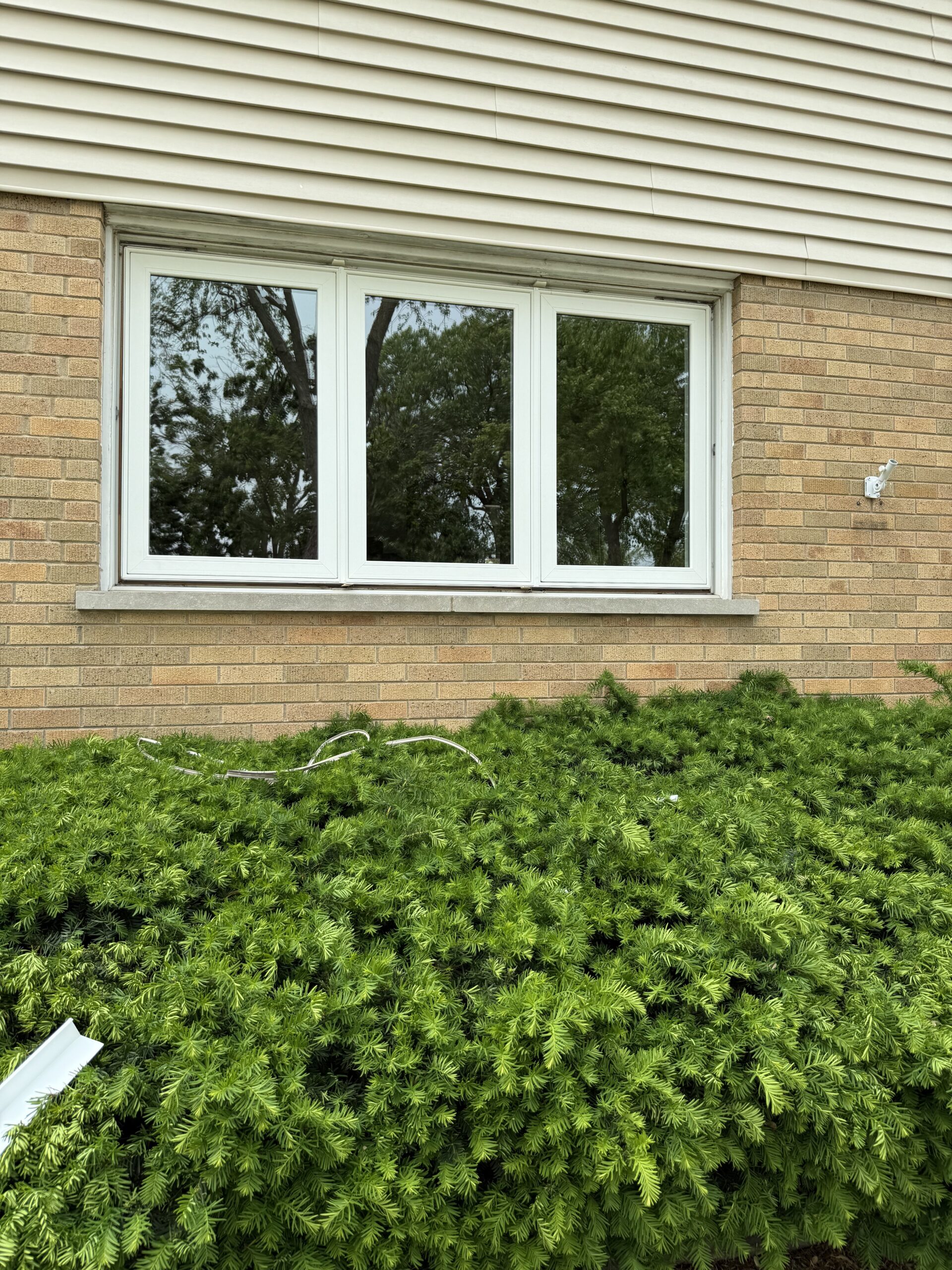
Custom-size windows may be appropriate when an opening does not match common stock dimensions or when a homeowner needs a specific shape, operation, glass option, or design treatment.
Common examples include:
Custom products require accurate measurements and a clear understanding of the opening. Manufacturing time, installation requirements, product specifications, and price may differ from standard-size options.
No single window type is right for every opening or homeowner. DuPage Window Company reviews the existing windows, opening dimensions, preferred operation and appearance, energy-performance goals, warranty terms, and product availability before discussing suitable options.
Homeowners can compare full replacement, energy-efficient, vinyl, and custom-size windows without being pushed toward one manufacturer or fixed package.
Air movement around a window may come from worn seals, gaps around the frame, damaged components, or problems with the original installation. Rooms that regularly feel colder in winter or warmer in summer may need an assessment of both the window and the opening. The source of the air leak should be identified before replacement is recommended.
Moisture trapped between panes commonly points to a failed insulated-glass seal. This can lead to persistent fogging that cannot be cleaned from either side. Condensation on the room-facing surface of the glass can have other causes, including indoor humidity. The location of the moisture helps determine what should be reviewed.
A window that requires excessive force to operate may have worn hardware, sash damage, frame movement, or an opening that is no longer square. Locking problems can also affect the seal and security of the window. The frame, hardware, and opening should be checked before deciding whether repair or replacement is appropriate.
Cracks, soft material, peeling finishes, damp trim, water stains, or damaged drywall may indicate that the problem extends beyond the glass. The source may involve the window, sealant, flashing, siding, roof runoff, or another nearby building component. Replacing the unit without addressing the real source of moisture may not solve the problem.
Basement openings, altered openings, and less common shapes may not match standard stock dimensions. In those cases, custom-size windows may provide a more suitable fit.
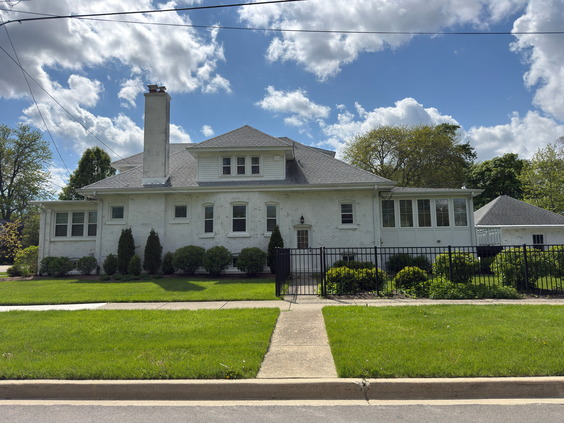
Naperville includes older properties within and around its local historic district, along with postwar and later residential areas such as East Highlands, Oak Hills I, Charleston Woods, and Fontenaix. City survey materials describe a range of home periods, layouts, and architectural details across central Naperville.
For window projects in these and other parts of Naperville, product selection may need to account for opening dimensions, exterior materials, existing proportions, operating style, and the appearance of nearby windows. DuPage Window Company reviews the individual property and opening rather than assuming one frame, window style, or installation approach is suitable for every home.
Properties within Naperville’s local historic district or designated as local landmarks may also be subject to historic-preservation requirements for exterior alterations.

Replacement windows should be selected around the opening, the room, and the homeowner’s priorities—not by starting with a brand or standard package. Naperville homes may include older openings, later additions, custom exterior details, and newer construction with different sizing and finish requirements.
DuPage Window Company reviews the existing conditions, preferred appearance, operation, maintenance expectations, performance goals, warranty terms, and complete installation scope before suitable products are compared.
The dimensions and condition of the opening determine which products and installation approaches should be considered.
The review may include:
Older openings, additions, and previous remodeling work may require closer measurement and preparation than a straightforward replacement within an unchanged opening.
Windows made from the same general frame material can differ in construction, reinforcement, insulation, weather seals, hardware, finish quality, and available glass packages.
Options may include:
The appropriate combination depends on the window’s orientation, room use, opening condition, comfort priorities, selected product, and installation requirements. Published ratings should be reviewed as product-comparison information rather than a guarantee of a specific utility-saving result.
Window style affects ventilation, cleaning, appearance, furniture placement, exterior clearance, and ease of operation.
Common options include:
A window should suit the way the room is used while remaining visually consistent with nearby openings and the home’s exterior proportions. Existing trim, grille patterns, and surrounding materials may also influence the final selection.
Warranty terms may vary by manufacturer, product line, glass package, finish, hardware, and component. Homeowners should review the written coverage for the exact product included in the estimate.
Availability may be affected by:
The final comparison should also identify the complete project scope, including measurements, opening preparation, removal, installation, insulation, sealing, interior or exterior finish work, disposal, and permit responsibilities when applicable.
DuPage Window Company explains the available choices, helps define the proposed work, sources suitable products, and coordinates qualified installation. The homeowner makes the final product and scope decisions.
DuPage Window Company can discuss products from several manufacturers based on the home, opening requirements, preferred features, warranty terms, availability, and approved project scope.
A familiar brand name can help begin the comparison, but homeowners should also review the specific product line. Construction, glass options, hardware, finishes, warranty coverage, manufacturing time, and price may vary within the same brand.




Product availability varies by opening, selected features, supplier availability, and current manufacturing schedules. No single manufacturer is presented as the right choice for every home.
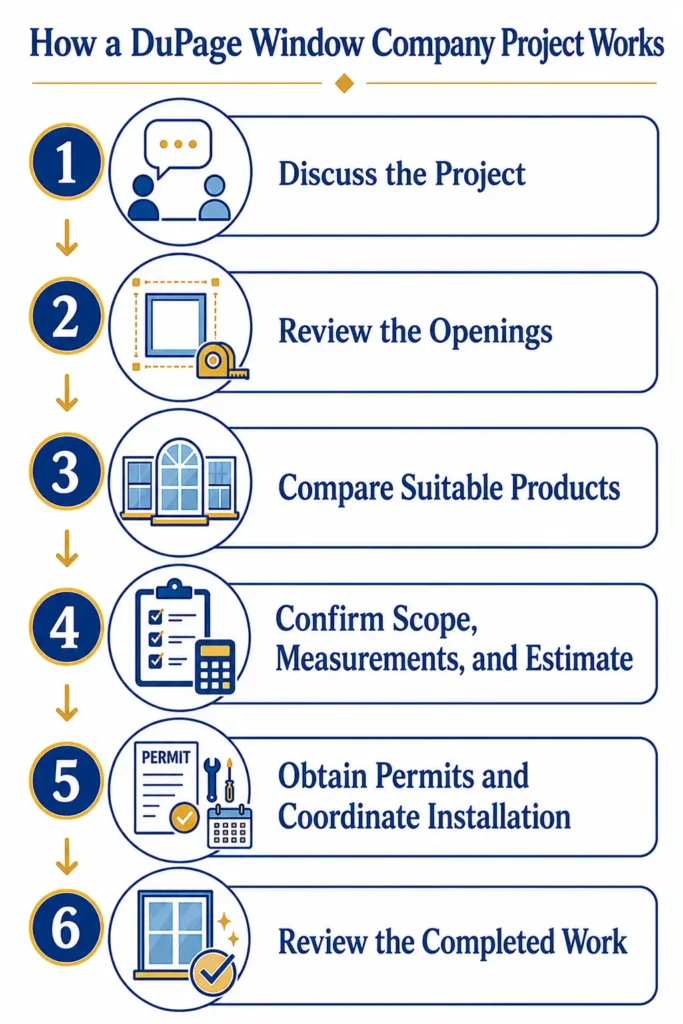
A successful window replacement project begins with a clear understanding of the existing openings, product requirements, and approved scope. DuPage Window Company helps organize the opening review, product comparison, measurements, permit considerations, written estimate, and installation schedule before work begins.
The exact process may vary based on the number of windows, opening conditions, selected products, custom requirements, surrounding exterior materials, and applicable Naperville review or permit requirements.
The first conversation focuses on the homeowner’s concerns, priorities, and preferred project outcome.
Topics may include:
This discussion helps distinguish required work from optional product features.
The existing windows and surrounding openings are reviewed before products are finalized.
The assessment may consider:
This step helps identify conditions that may affect product selection, opening preparation, installation, or finish work.
DuPage Window Company discusses products based on the opening, homeowner preferences, desired operation, appearance, performance goals, warranty terms, availability, and overall project value.
The comparison may include:
A preferred manufacturer can remain part of the discussion, but the proposed product should still suit the opening and approved project scope.
Once the main product and installation requirements are understood, DuPage Window Company prepares a project-specific scope and estimate.
Before ordering, the final details should be confirmed, including:
The written scope should make clear what is included, excluded, and subject to further review.
DuPage Window Company obtains permits when required for the approved work and coordinates the installation schedule after the products and project details are confirmed.
Qualified installers complete the physical work according to the approved scope. Depending on the project, installation may include:
The installation method depends on the selected product, opening condition, and surrounding materials.
After installation, the completed windows should be reviewed for:
Questions reported after installation should first be identified as product, glass, hardware, workmanship, adjustment, maintenance, or surrounding-opening concerns so they can be directed appropriately.
DuPage Window Company offers The Ultimate Window Replacement Guide for Homeowners as a free resource for homeowners who want to prepare before requesting an estimate.
The guide can help you:
It is a planning resource and does not replace an assessment of the home, existing openings, selected products, or local permit requirements.

The cost of a window replacement project depends on the selected products, the size and condition of the existing openings, access requirements, and the work needed to complete the approved scope.
DuPage Window Company does not use a universal price per window because openings that appear similar may require different sizing, glass packages, preparation, finish work, or installation methods.
The number of windows affects product quantity, installation time, removal, and disposal.
Size and operating style also matter. Large units, specialty shapes, bay or bow windows, casements, and unusually narrow openings may require different materials, hardware, or handling than standard windows.
Standard-size windows may offer broader availability and shorter manufacturing times.
Custom sizing may be needed for:
The need for a custom product should be confirmed through accurate measurement.
Frame construction and glass packages can affect the estimate.
Options may include:
The most feature-heavy option is not automatically the best choice. The selected package should match the homeowner’s priorities and the opening requirements.
The condition of the existing opening can affect the work required.
The estimate may need to account for:
Some conditions may not be visible until the existing window is removed. The written scope should explain how unexpected conditions will be handled.
A complete estimate should clarify whether it includes:
The estimate should identify what is included, excluded, or subject to further review.
DuPage Window Company prepares pricing around the actual project rather than a generic unit price.
A window warranty should be reviewed for the exact manufacturer, product line, glass package, finish, hardware, and components included in the estimate. Broad terms such as “lifetime warranty” do not explain whether every part of the window, service labor, or installation-related concerns receive the same coverage.
The manufacturer provides the written product warranty.
Depending on the selected window, coverage may apply to:
Coverage periods may differ by component. Glass, screens, locks, balances, cranks, finishes, and labor-related costs may not all carry the same terms.
Homeowners should confirm whether insulated-glass seal failure, glass breakage, replacement parts, and service labor are included.
Some manufacturers require product registration after installation. Registration may involve the property address, installation date, product information, serial numbers, or proof of purchase.
Homeowners should also check whether the warranty transfers to a future owner and whether a form, fee, or deadline applies.
Common exclusions may involve:
The written terms should explain what is covered, what is excluded, and what steps are required to keep the warranty valid.
Manufacturer warranties generally apply to the product. Installation-related concerns are handled separately.
DuPage Window Company stands behind the work it coordinates and addresses legitimate workmanship concerns. When a problem is reported, the first step is to determine whether it relates to:
This helps direct the concern to the appropriate party.
Before approving the estimate, confirm:
DuPage Window Company can help homeowners review the available documentation and understand which terms come from the manufacturer and which concerns relate to the completed work.
Naperville’s residential permit guide identifies a building permit requirement when window or door replacement changes the size or style of the opening or when a window or door is installed in a new location. The guide also states that windows must comply with the building codes adopted by the city, even when a permit is not required.
Permit review may be needed when a project involves:
Properties designated as local landmarks or located within Naperville’s local historic district may also require a Certificate of Appropriateness for exterior alterations. The required review can depend on the façade, window opening, proposed style, and selected material. Historic-preservation approval does not replace a building permit when both apply.
DuPage Window Company obtains permits when required for the approved work. The written estimate should clarify whether permit preparation, municipal fees, historic review, inspections, and supporting documents are included.
Applications, payments, and permit management are handled through Naperville’s online Civic Access portal. Required inspections are listed in the portal after permit issuance.
Permit forms, adopted codes, review procedures, and inspection requirements can change. Naperville began reviewing plans submitted on or after April 1, 2026, under its newly adopted 2024 building-code editions and local amendments. The applicable requirements should be confirmed with the City’s Building Permits team before work begins. Permit information last checked: July 25, 2026
Homeowners need more than a list of window products. They need clear guidance, a defined scope, qualified installation, and reliable follow-through.
DuPage Window Company brings 24 years of contractor sales and project-coordination experience to residential improvement projects. That experience helps the company identify homeowner priorities, compare suitable options, coordinate suppliers and installers, and clarify what is included before work begins.
DuPage Window Company is not tied to one manufacturer. Product choices can be discussed according to the opening, preferred style, appearance, performance goals, warranty terms, availability, and budget.
Qualified installers complete the physical work according to the approved scope. DuPage Window Company coordinates the product, schedule, permit requirements, and installation details so responsibilities remain clear.
Each estimate is based on the actual project rather than a generic price per window. The proposal should identify the selected products, installation work, exclusions, permit responsibilities, and applicable warranty information.




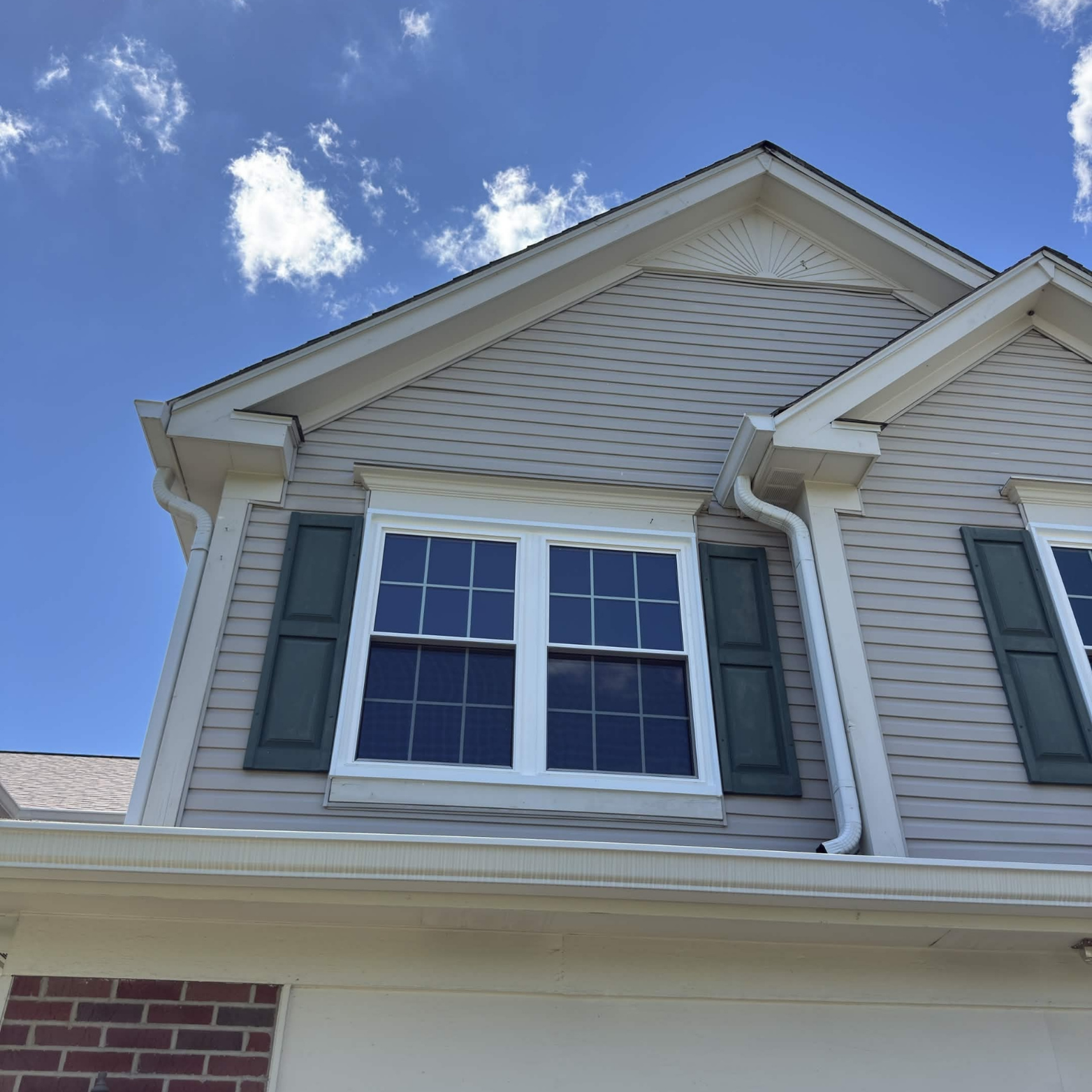

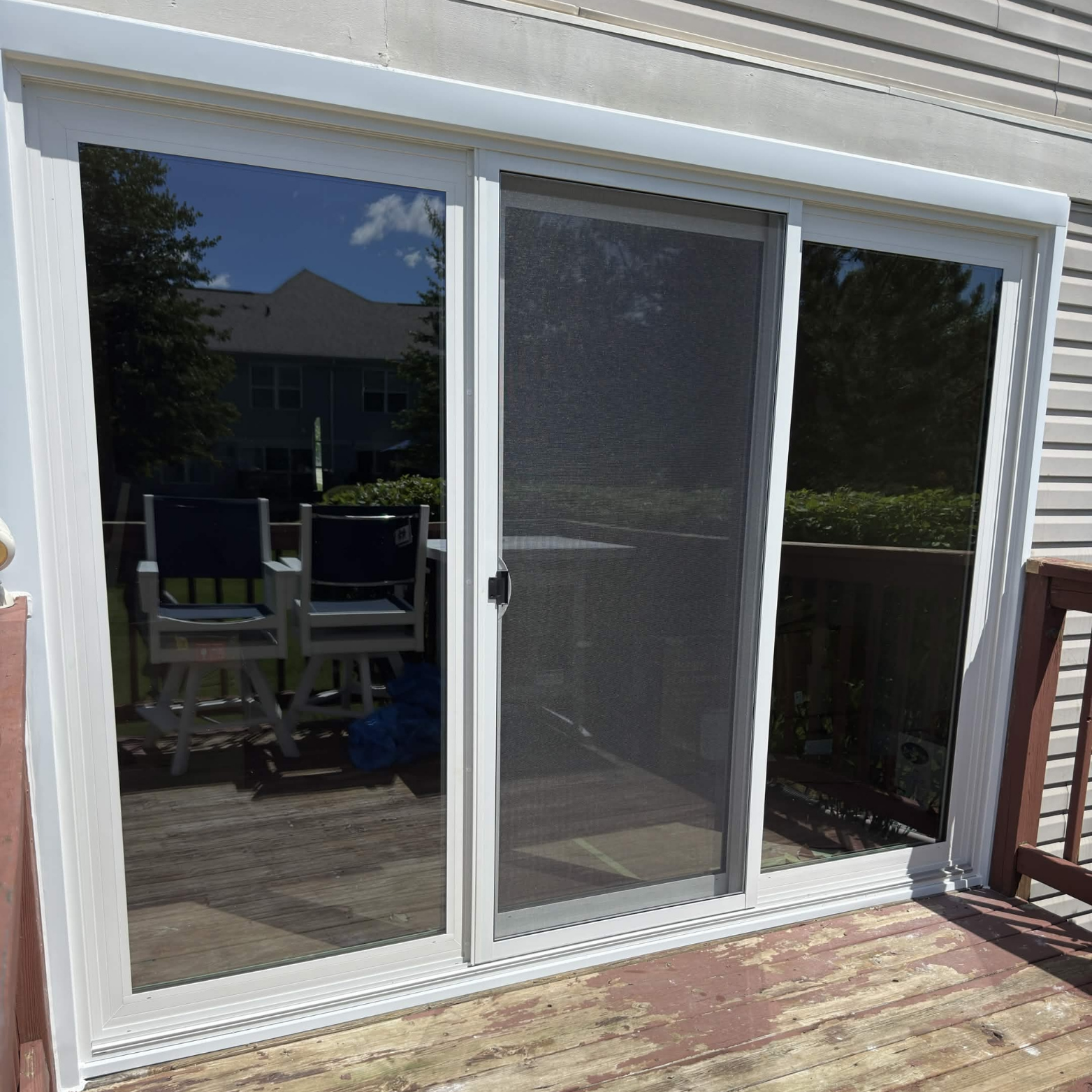

Naperville requires a permit when replacement changes the size or style of an opening or adds a window in a new location. All windows must still comply with City building codes, even when a permit is not required. DuPage Window Company obtains permits when required.
Cost depends on the number and size of the windows, product type, glass package, opening condition, access, finish work, and permit requirements. DuPage Window Company provides project-specific estimates rather than a standard price per window.
Yes, but exterior alterations to a landmarked property or a home within the local historic district may require a Certificate of Appropriateness. The applicable review depends on the property and proposed work.
Yes. Custom sizing may be appropriate for older, altered, or unusually shaped openings. The existing dimensions, frame condition, exterior materials, and nearby window proportions should be reviewed before a product is selected.
Possibly. The complete opening, clear opening area, sill height, window well, operation, and surrounding conditions must meet applicable requirements before the completed installation can be described as an egress window.
DuPage Window Company can discuss products from Pella, Marvin, Advanced Window, Climate Solutions, and Climate Guard. The final choice depends on the opening, style, glass package, warranty, availability, and approved budget.
DuPage Window Company helps homeowners compare full replacement, vinyl, energy-efficient, and custom-size window options based on the home, existing openings, and approved project scope.
Get a free estimate today and see what new windows can do for your home.